The best golf balls for weekend golfers in 2026 — ranked for distance, feel, and value at every price point.
Quick Comparison
| Ball | Compression | Price/dozen | Buy |
|---|---|---|---|
| Titleist VelocityTOP PICK | 65 | ~$32/dozen | Check Price → |
| Callaway Chrome Soft | 75 | ~$48/dozen | Check Price → |
| TaylorMade TP5 | 90 | ~$50/dozen | Check Price → |
| Vice Pro Soft | 60 | ~$29/dozen | Check Price → |
| Bridgestone e12 Contact | 50 | ~$30/dozen | Check Price → |
1. Titleist Velocity — Best for Distance
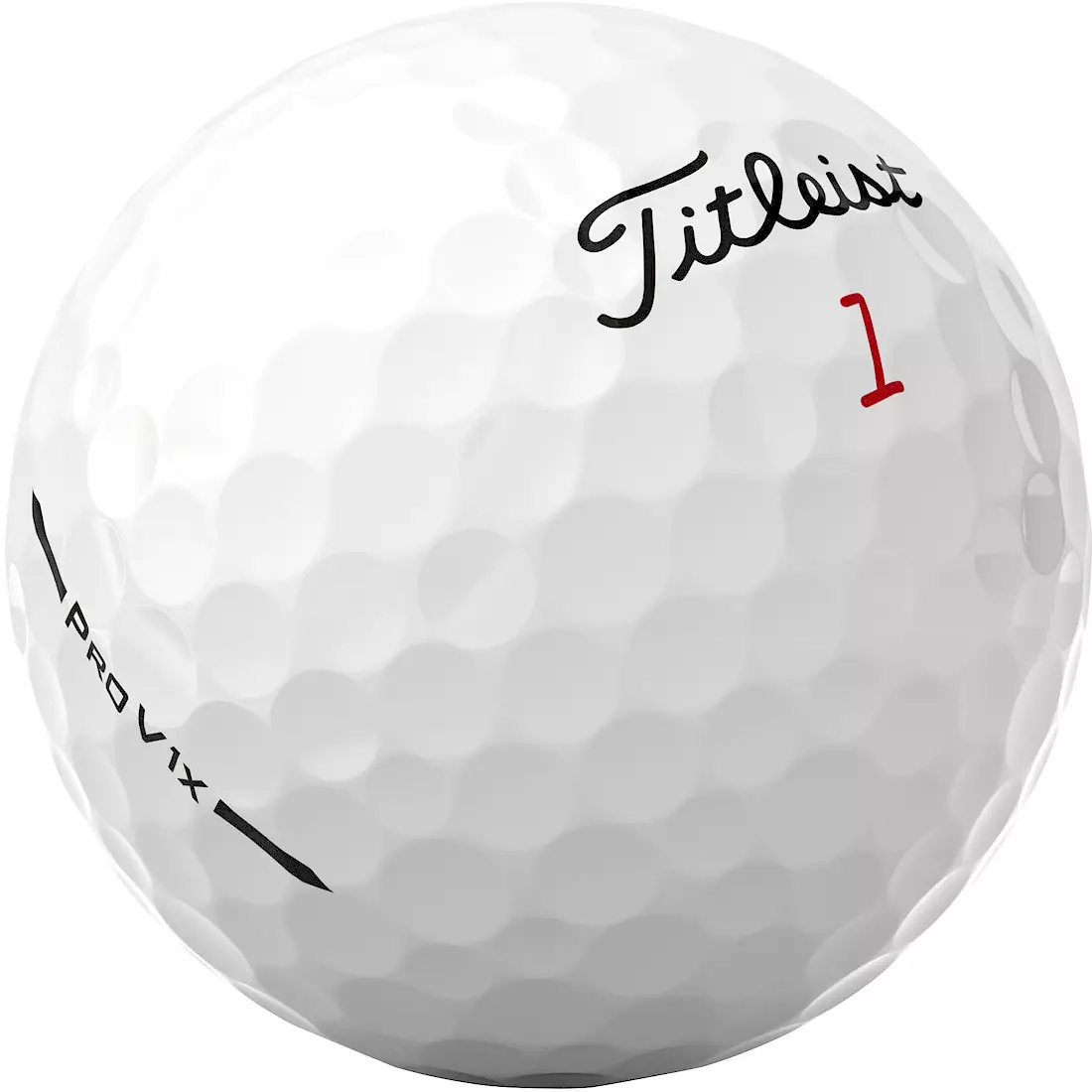
Titleist Velocity
Best for: Golfers who prioritise long drives and low spin
The Velocity is Titleist's highest-distance non-Pro V1 ball, using a large NAZ+ core and high-speed NAZ+ cover to maximise ball speed and distance. Lower greenside spin than premium balls — that's the trade-off for the extra yards. Ideal for golfers over 90mph who want distance without the Pro V1 price.
Pros
- Fastest Titleist ball outside the Pro V1 line
- Low spin for straighter driver flight
- Consistent Titleist quality control
- ~$23 cheaper per dozen than Pro V1
Cons
- Lower greenside spin than Pro V1
- Cover less durable in cold conditions
2. Callaway Chrome Soft — Best Premium Value

Callaway Chrome Soft
Best for: Golfers who want tour-quality feel and performance under $50
The Chrome Soft sits just below the Chrome Tour in Callaway's lineup and delivers a Graphene Dual SoftFast Core that produces fast ball speeds with the soft feel. The urethane cover means greenside spin is genuinely tour-quality. Many weekend golfers choose Chrome Soft over Pro V1 and prefer it.
Pros
- Urethane cover for real greenside spin
- Softer feel than most balls at this price
- Consistent distance performance
- Available in Triple Track alignment model
Cons
- Premium price for a recreational ball
- Lower spin than Chrome Tour on approach shots
3. TaylorMade TP5 — Best Five-Layer Performance
TaylorMade TP5
Best for: Golfers with 95+ mph swing speed who want full shot shape control
The TP5 is TaylorMade's premium tour ball used by Rory McIlroy. Five-layer construction delivers a progressively stiffening design that creates high ball speed and low driver spin while maximising wedge spin. For weekend golfers with faster swing speeds who play a draw/fade intentionally, the TP5 rewards shot shaping.
Pros
- Five-layer design rewards faster swing speeds
- High wedge spin for shot-stopping approaches
- Low driver spin for distance
- Used by tour players
Cons
- 90 compression needs 95+ mph swing speed
- Premium price at $50/dozen
4. Vice Pro Soft — Best Value Premium Ball
Vice Pro Soft
Best for: Golfers who want urethane performance at a fair price
Vice sells direct-to-consumer, which lets them offer a three-piece urethane cover ball for $29/dozen — the same price as many ionomer-covered budget balls. The Pro Soft delivers real greenside spin and feel that competes with Callaway Chrome Soft at a lower price. Not as polished as Titleist, but the value is compelling.
Pros
- Urethane cover at budget price
- Direct-to-consumer pricing removes retail markup
- Good greenside spin and feel
- Soft feel throughout
Cons
- Brand less established than major names
- Availability limited to online only
5. Bridgestone e12 Contact — Best for Straighter Flight
Bridgestone e12 Contact
Best for: Golfers who want reduced side spin for straighter flight
The e12 Contact uses Active Acceleration Mantle technology to promote straighter flight by reducing side spin on off-centre hits. For a high handicapper who frequently hits pushes and pulls, this physical design feature can noticeably reduce side movement. The 50 compression makes it accessible for moderate swing speeds.
Pros
- Active Acceleration Mantle reduces side spin
- 50 compression for moderate to slow swing speeds
- Bridgestone's well-regarded ball technology
- Good feel on chip shots
Cons
- Urethane-level performance not quite matched
- Contact dimple design looks unusual
How to Choose the Right Golf Ball for Your Swing Speed
Compression is the key specification for slow-swing-speed golfers. A low-compression ball (50–70 compression rating) deforms more on impact, which transfers more energy from a slower swing and typically results in more distance. High-compression balls (90–110) need fast swing speeds to compress properly — using them with a slower swing means less distance and less feel.
Swing speed guide
Under 70 mph: Look for compression ratings below 60 — Callaway Supersoft, Wilson Duo Soft+, TaylorMade Noodle.
70–85 mph: Mid-compression 60–80 — Titleist TruFeel, Srixon Soft Feel work well.
85–95 mph: Standard compression 70–80 is appropriate. Most two-piece distance balls.
Frequently Asked Questions
Does golf ball compression really make a difference for distance?
Yes — for slow swing speeds, low compression balls compress more fully at impact, producing more efficient energy transfer and more distance. The difference can be 5–15 yards for golfers with swing speeds under 80 mph. For fast swing speeds, the benefit is reduced or reversed.
What compression ball should a senior golfer use?
Most senior golfers benefit from balls in the 50–70 compression range — Callaway Supersoft (38), Srixon Soft Feel (60), or Titleist TruFeel (65) are the most popular choices. The softer ball will feel better on chips and putts as well as delivering more distance off the tee.
Final Recommendation
For most slow-swing-speed golfers, the Callaway Supersoft is the easiest recommendation — the 38 compression rating is the lowest available in a mainstream ball, delivering maximum distance and soft feel for golfers with swing speeds under 85 mph. The Srixon Soft Feel is the step-up for golfers who want slightly more control without sacrificing distance.