
Five setups that fit a single-car garage, spare bedroom, or basement — ranked by launch accuracy, software quality, and real-world footprint.
⚖️ This page contains affiliate links — we earn a small commission if you buy through them, at no extra cost to you. Editorial Policy →
SkyTrak+ Golf Launch Monitor
BEST OVERALL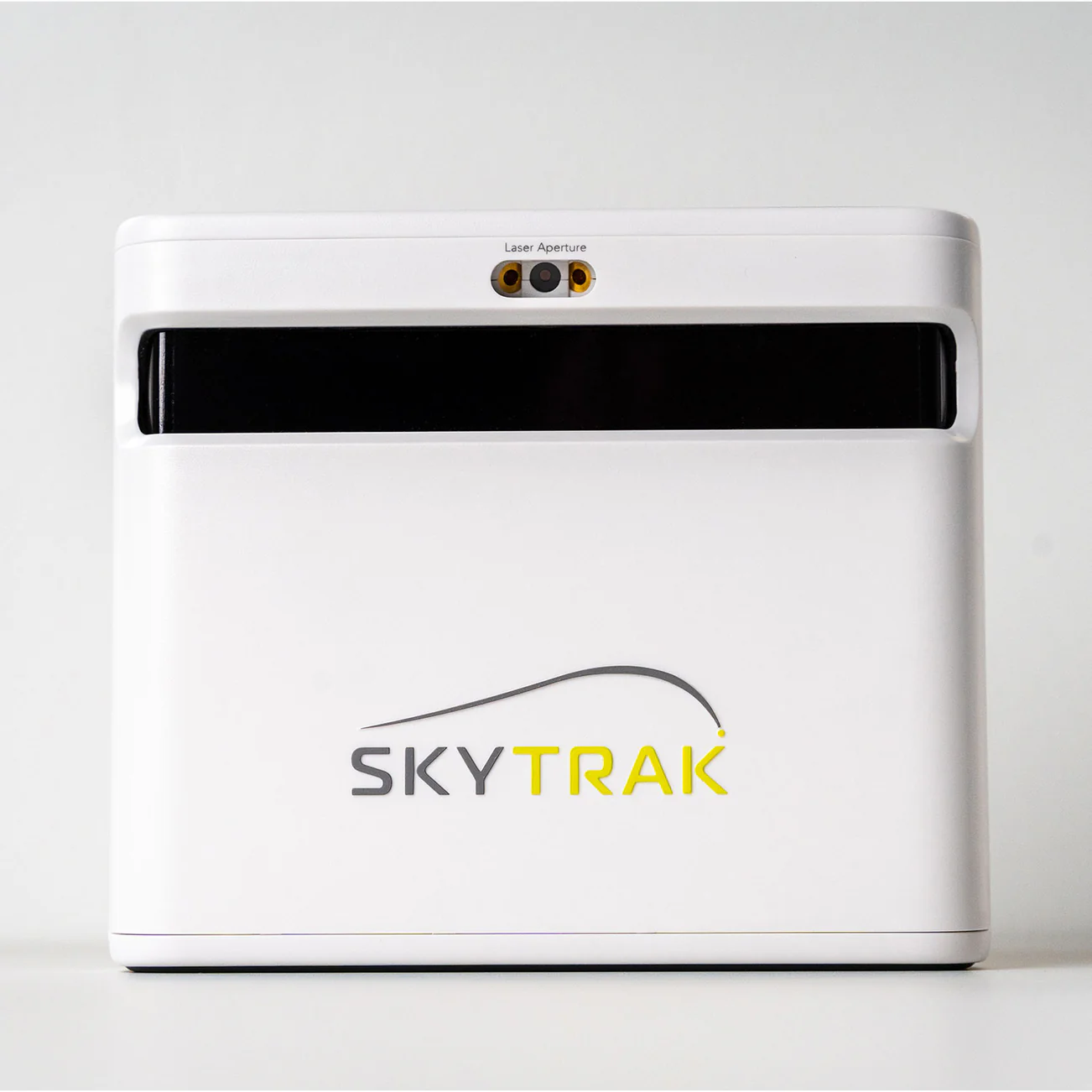
The SkyTrak+ is the sweet spot between consumer and professional launch monitors. It uses photometric ball-tracking technology — no radar footprint — so it works in spaces as compact as 8×8 feet. Ball speed, launch angle, spin axis, spin rate, and carry distance are all captured with accuracy that r
💰 Price: ~$2,995
Pros
- Photometric tracking works indoors with no radar clearance needed
- Works with E6 Connect, WGT, and GSPro simulators
- Compact unit sits beside the ball, not behind you
- Accurate to within 1–2% of TrackMan on key metrics
Cons
- Subscription required for full simulator software ($199/yr)
- Higher upfront cost than radar-based alternatives
- Requires good lighting for best accuracy
⚖️ Affiliate link — we earn a small commission at no extra cost to you. Prices change frequently — click to see the current price.
FlightScope Mevo+
RUNNER-UP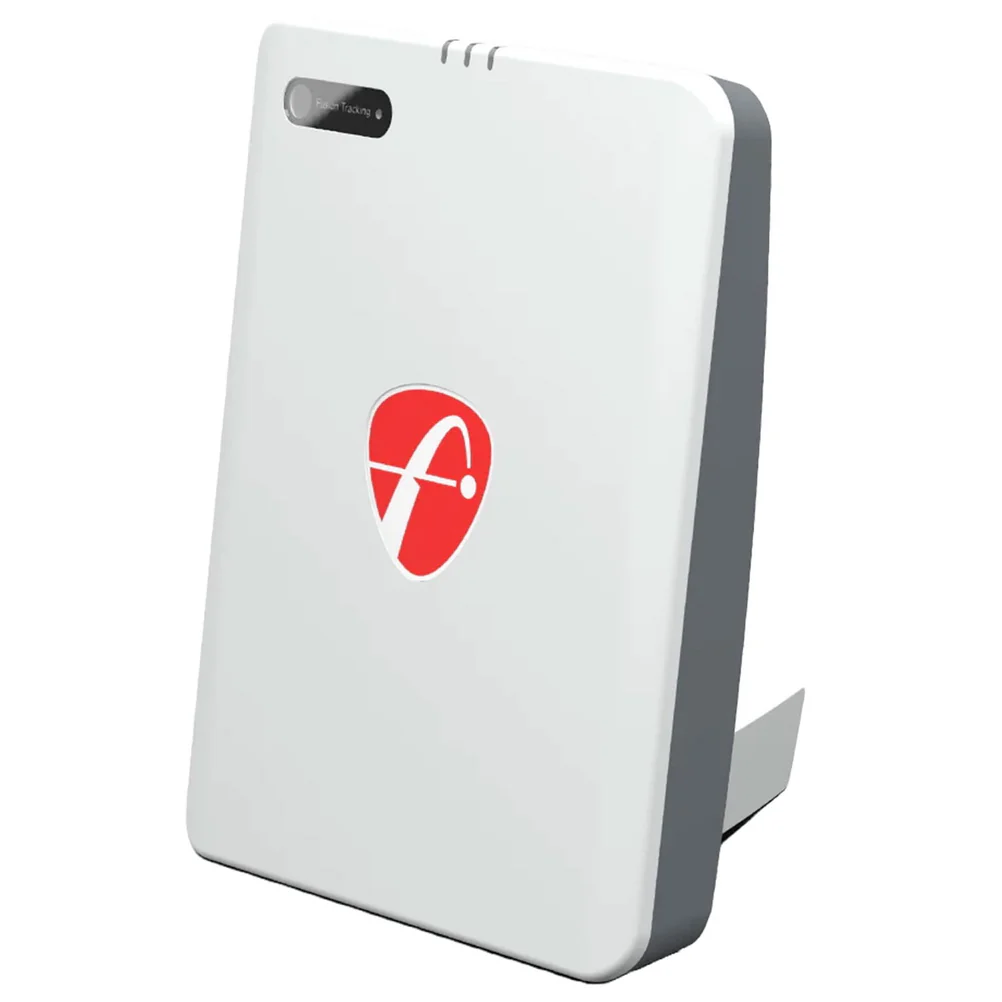
Mevo+ uses Doppler radar and needs 7–8 feet of ball flight before the screen — make that your minimum space requirement. It measures 16 data parameters including smash factor, spin loft, and dynamic loft, and connects to E6 Connect and FS Golf simulators. For a second-car-garage setup, it's the valu
💰 Price: ~$1,999
Pros
- Comprehensive 16-parameter data set
- E6 Connect and FS Golf included in Space package
- Portable — takes to the range or a friend's garage
- Strong outdoor range mode
Cons
- Radar needs 7–8 ft ball flight to register accurately
- Spin numbers less consistent than photometric units
- Space edition costs $500 more for simulator software
⚖️ Affiliate link — we earn a small commission at no extra cost to you. Prices change frequently — click to see the current price.
Garmin Approach R10
BEST VALUE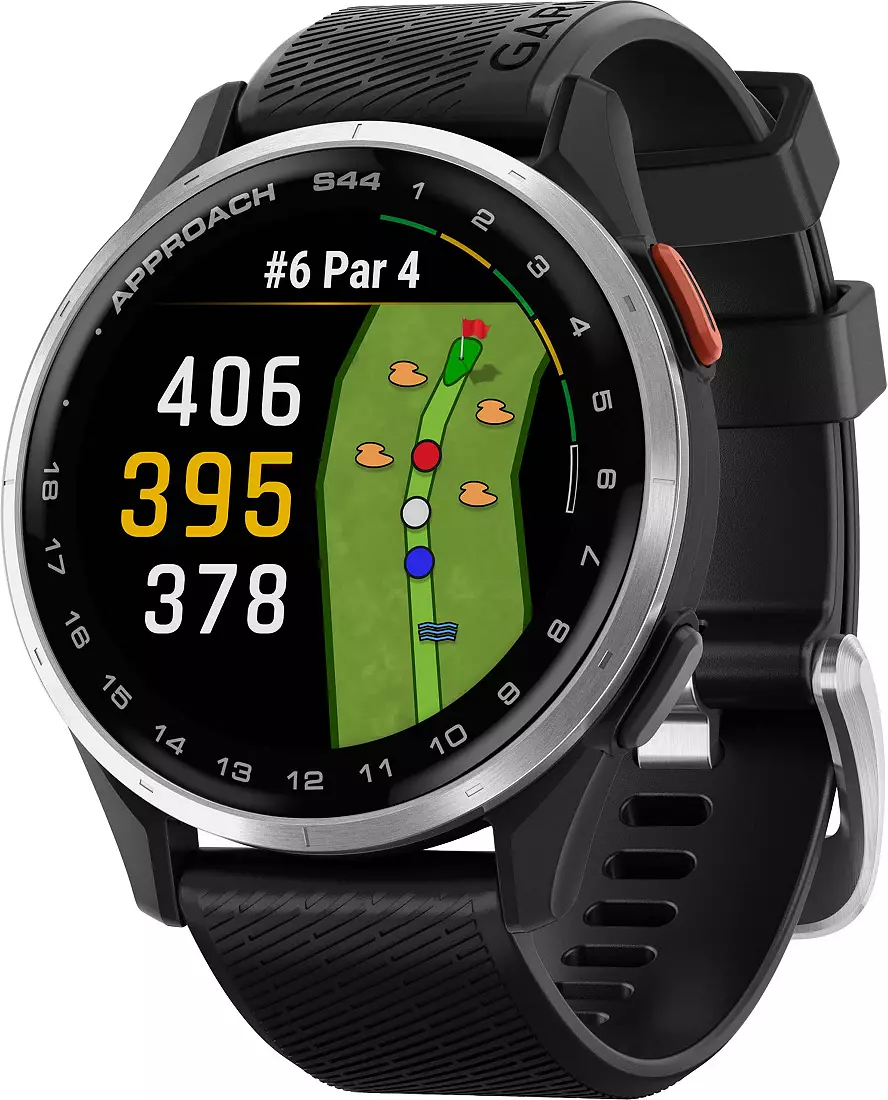
The R10 democratised home launch monitoring. At $599, it measures 10 ball and club parameters, connects to the Garmin Golf app, and includes virtual rounds on E6 Connect courses. Radar-based, so allow 6–8 feet of ball flight. Accuracy is within acceptable range for improvement work — you won't use i
💰 Price: ~$599
Pros
- Genuinely affordable entry point
- E6 Connect simulator access included
- Garmin Golf app integration for mobile play
- Compact radar unit, easy to position
Cons
- Spin numbers are estimated, not direct-measured
- Garmin Golf subscription required after free trial
- Less accurate on short irons indoors
⚖️ Affiliate link — we earn a small commission at no extra cost to you. Prices change frequently — click to see the current price.
Net Return Pro Series
TOP NET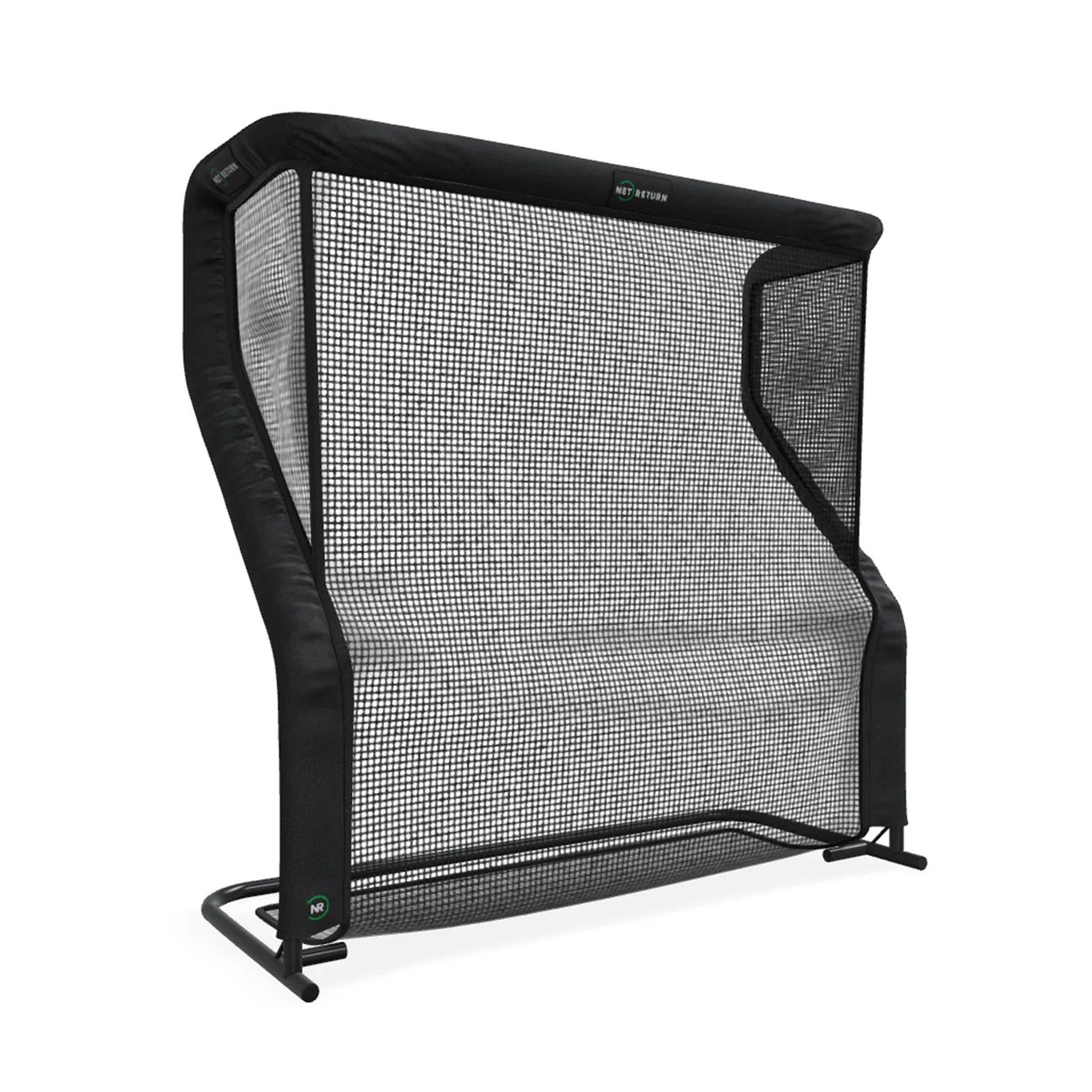
The Net Return is the gold standard for home golf nets — it returns the ball to your feet after each shot, which sounds small but makes a significant difference for solo practice flow. The frame is solid enough for driver shots, and the net doesn't degrade with regular driver use the way cheaper alt
💰 Price: ~$499
Pros
- Ball return eliminates the pick-up interruption
- Durable frame handles consistent driver use
- Folds flat for storage
- Compatible with most impact screens
Cons
- Premium price vs. basic alternatives
- Ball return chute can redirect shots unpredictably
⚖️ Affiliate link — we earn a small commission at no extra cost to you. Prices change frequently — click to see the current price.
Fiberbuilt Studio Mat
BEST MAT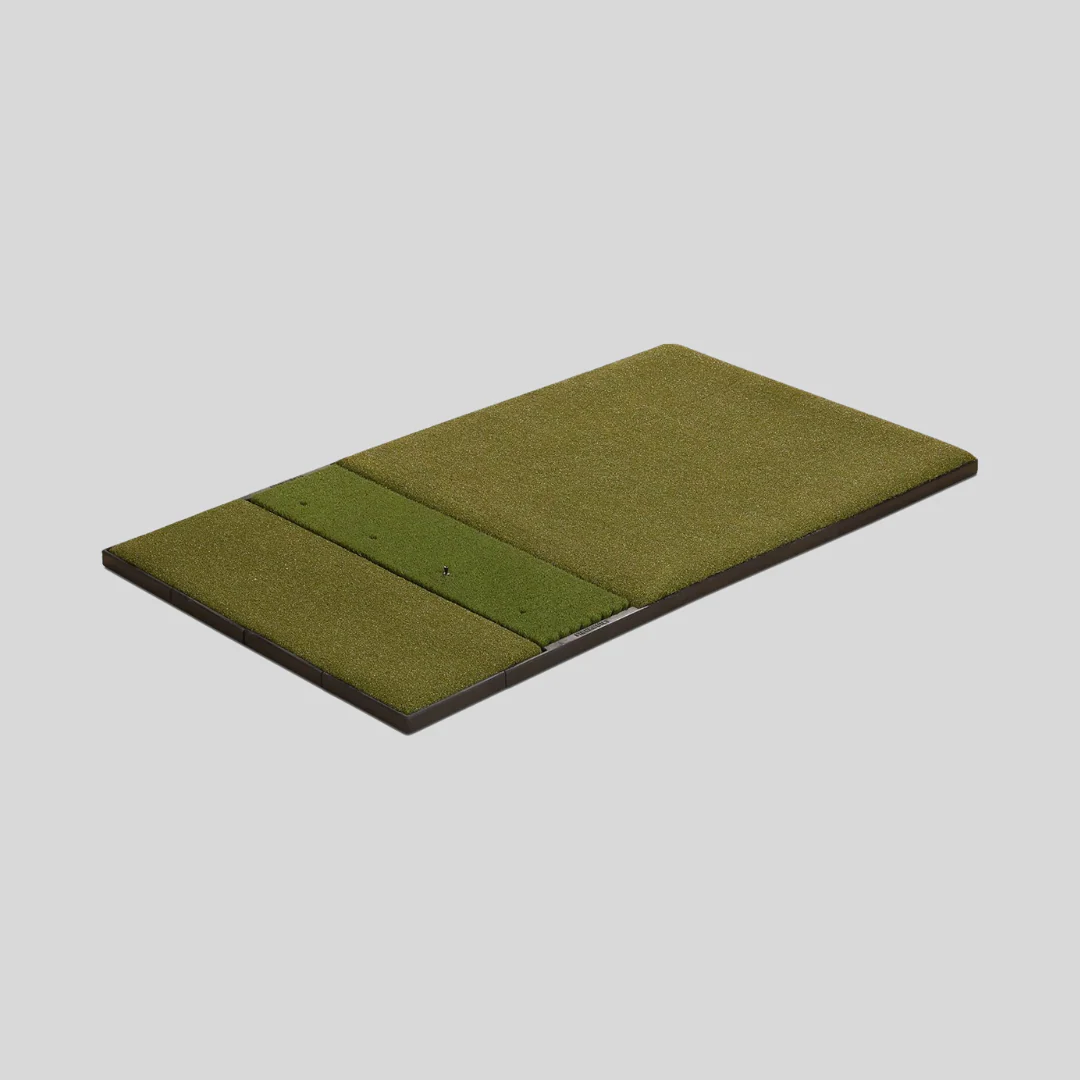
Most hitting mats destroy your elbows and wrists within a few months because they're too firm. Fiberbuilt uses a fibrous construction that genuinely gives like real turf — your club goes through the mat rather than bouncing off it. This matters enormously for technique and for joint longevity. Used
💰 Price: ~$599
Pros
- Fibre construction mimics real turf interaction
- Far gentler on wrists and elbows than rubber mats
- Allows proper divot-style contact
- Durable — doesn't flatten with heavy use
Cons
- Premium price vs. basic foam mats
- Heavier than standard mats
⚖️ Affiliate link — we earn a small commission at no extra cost to you. Prices change frequently — click to see the current price.
Final Recommendation
For most weekend golfers building their first small-space simulator, the Garmin Approach R10 is the right starting point — $599 gets you real data and virtual course play without a major commitment. If you're ready to invest properly, the SkyTrak+ is the clear step-up: better accuracy, better softwa
Frequently Asked Questions
What is the minimum room size for a golf simulator?
Does SkyTrak+ work in a small garage?
How much does a home golf simulator cost?
Can I use a golf simulator with a standard TV?
Related Guides
Get the Free Golf Gear Buying Guide
The cheat sheet every weekend golfer needs before buying anything new. No spam, ever.
Browse All Guides →