
⚡ Quick Verdict
Golf ball compression measures how much a ball deforms when struck — rated from 30 (very soft) to 120 (very firm). Low compression suits swing speeds under 85 mph. Mid compression fits 85–100 mph. High compression is for swings above 100 mph.
⚖️ This page contains affiliate links — we earn a small commission if you buy through them, at no extra cost to you. Editorial Policy →
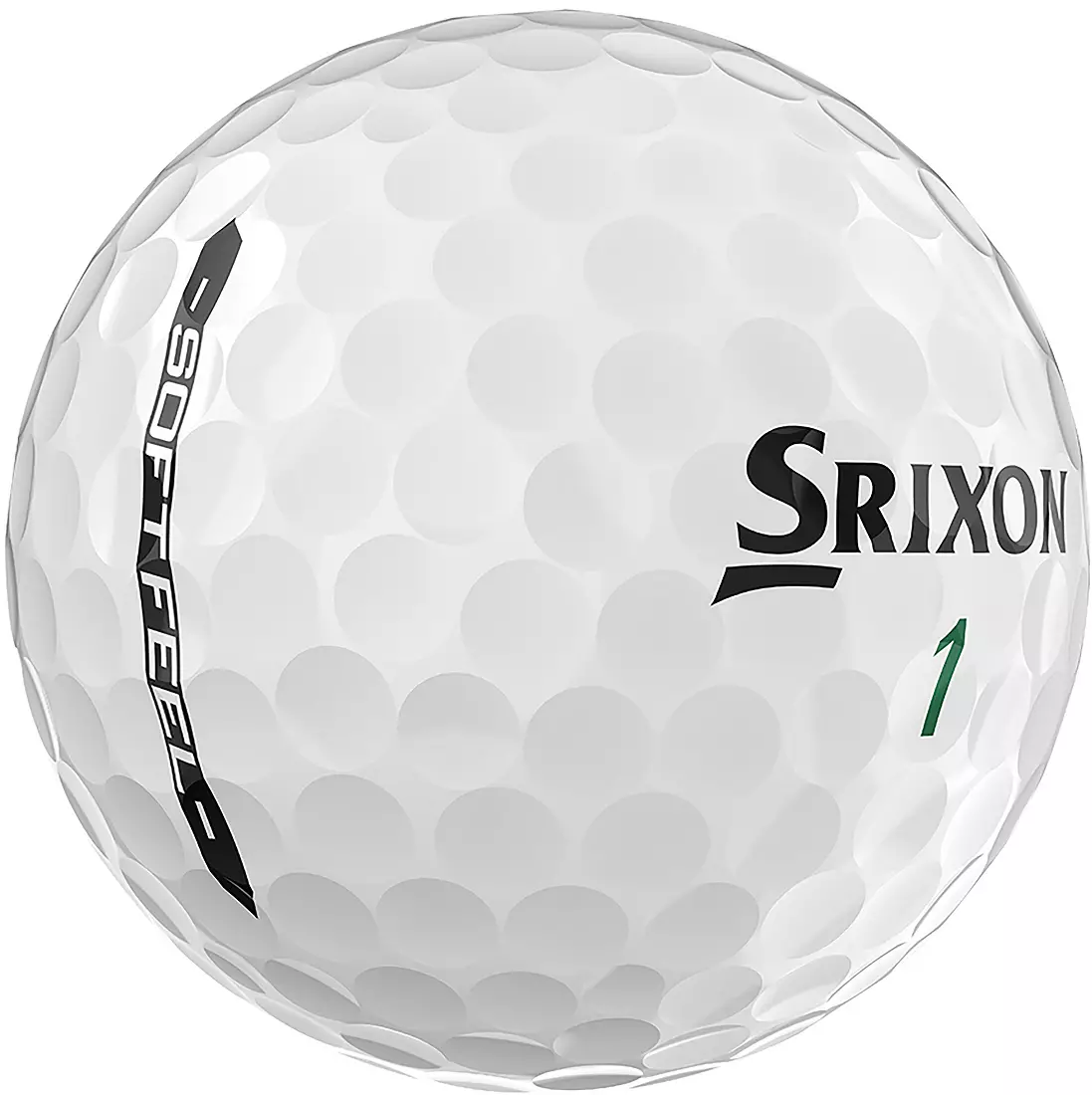
Srixon Soft Feel
- Low-compression — benefits slower swing speeds most
- Soft ionomer cover for better feel around greens
- Under $28/dozen — best value two-piece available
Prices change — click to see current price
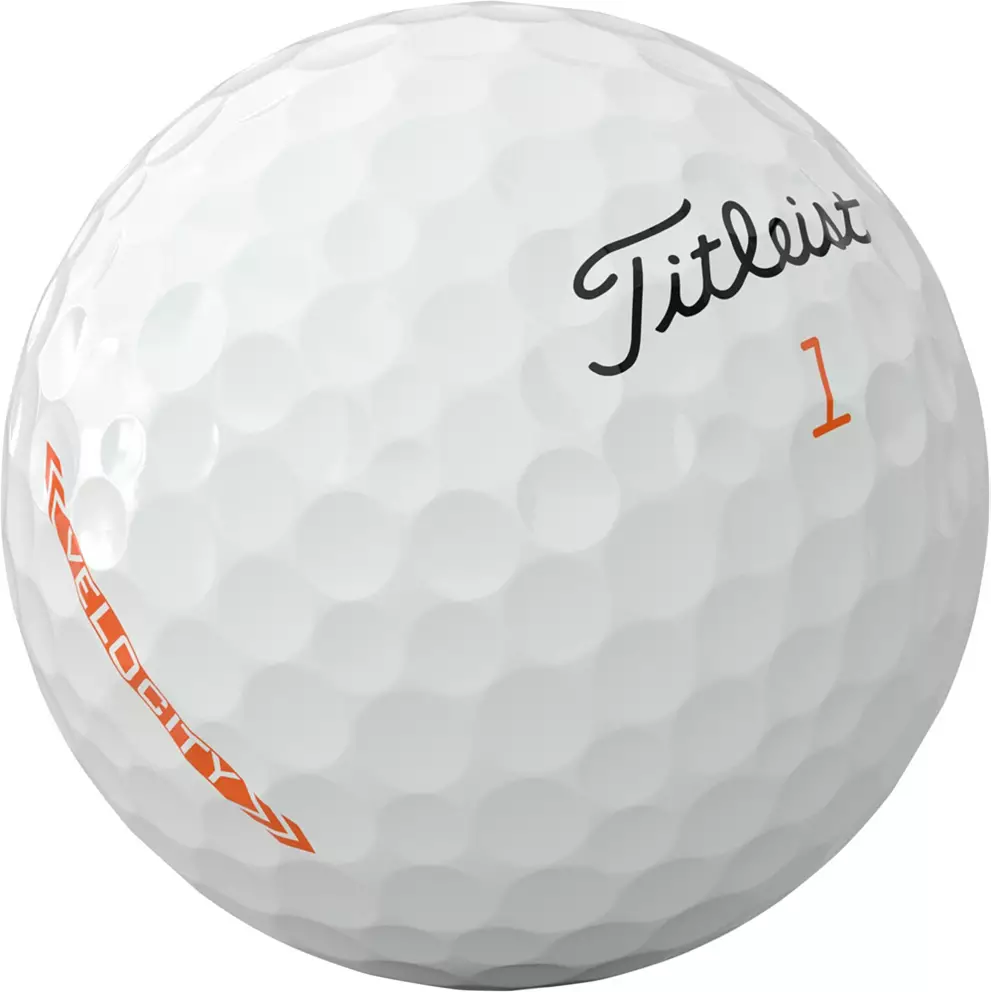
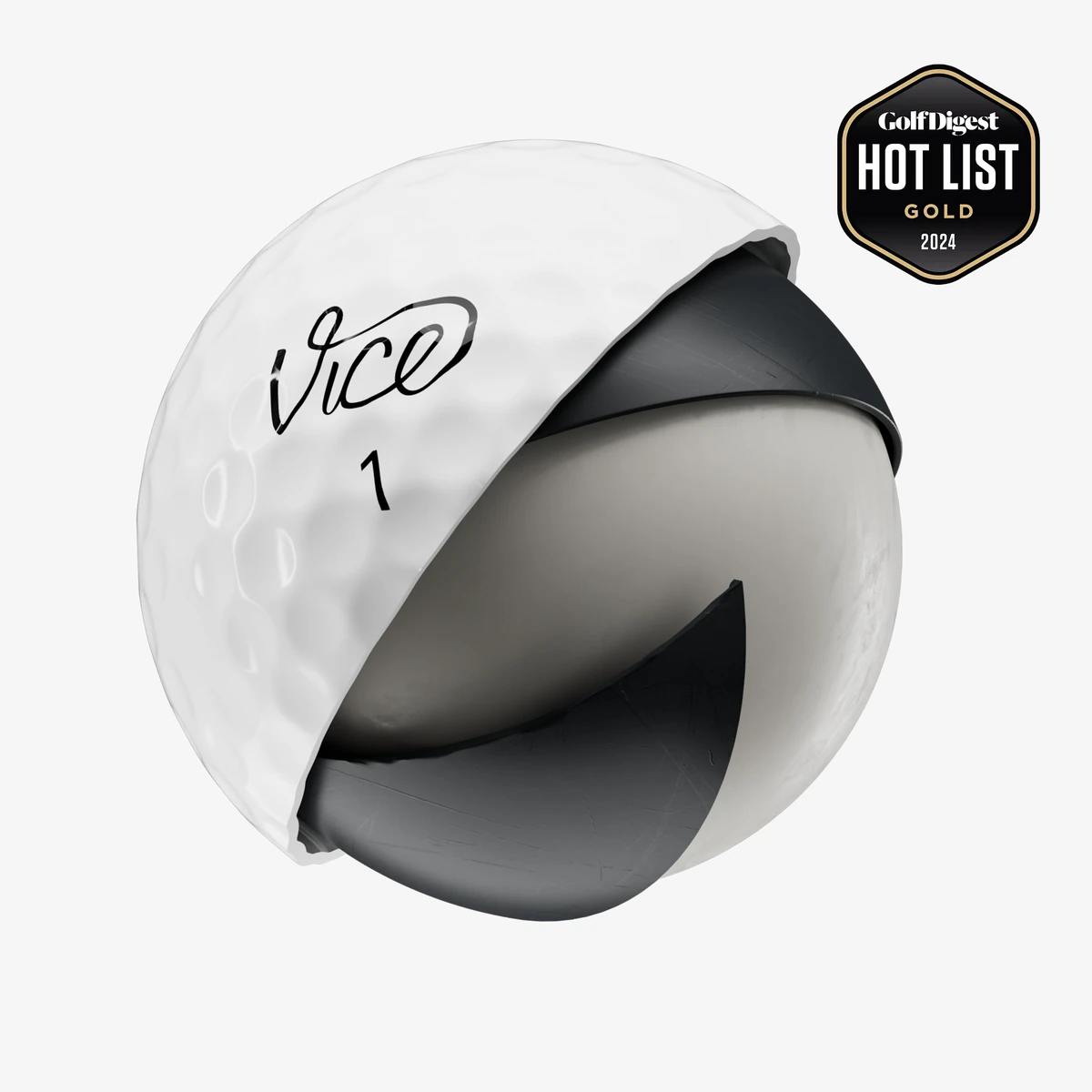
Vice Pro
- Direct-to-consumer pricing: tour ball at half the cost
- Urethane cover matches Pro V1 greenside spin
- Cast urethane — same process used on $55+ tour balls
Prices change — click to see current price
| Golf Ball | Best For (Swing Speed) | Price/Dozen | Compression | Cover | Buy |
|---|---|---|---|---|---|
| Srixon Soft Feel | Under 90 mph | ~$27 | 60 | Ionomer | ~$27/dozen → |
| Titleist Velocity | 70–85 mph | ~$32 | 65 | Ionomer | Check price → |
| Vice Pro | 85–95 mph | ~$33 | 85 | Urethane | ~$33/dozen → |
| Titleist Pro V1 BEST PICK | 90–105 mph | ~$55 | 87 | Urethane | ~$55/dozen → |
| Callaway Chrome Tour | 85–100 mph | ~$58 | 75 | Urethane | ~$58/dozen → |
What Is Golf Ball Compression?
Compression measures how much a golf ball deforms when a clubhead hits it. The rating runs from 30 (very soft) to 120 (very firm). At impact, the ball compresses against the face for roughly 1/2000th of a second, stores energy, then springs back to launch the ball forward. Use this golf balls comparison chart to find the right compression for your swing: a ball whose compression matches your speed transfers energy efficiently, a ball too firm does not compress fully and loses distance, and a ball too soft over-compresses and balloons. The compression chart below maps every major ball to the swing speed range it was designed for.
Golf Ball Compression Chart by Swing Speed
Use your driver swing speed to read this compression chart golf balls guide — it is the standard benchmark used by every ball fitter and manufacturer. Driver speed predicts the compression you need across every club in the bag.
| Swing Speed (mph) | Compression Tier | Ball Examples |
|---|---|---|
| 60–75 mph | Low (50–60) | Callaway Supersoft, Wilson Duo Soft |
| 75–90 mph | Mid (65–80) | Srixon Soft Feel, Titleist Velocity, Bridgestone e6 |
| 90–105 mph | Mid-High (80–95) | Vice Pro, Callaway Chrome Tour, Titleist Pro V1 |
| 105+ mph | High (90–100+) | Titleist Pro V1x, TaylorMade TP5, Callaway Chrome Tour X |
- Under 70 mph → Compression 30–50 — Balls: Callaway Supersoft (38), Wilson Duo Soft (29). These ultra-soft balls are designed specifically for the slowest swing speeds — they compress fully at lower impact forces, giving you the distance a firmer ball cannot.
- 70–85 mph → Compression 50–70 — Balls: Srixon Soft Feel (60), Titleist Velocity (65), Bridgestone e6 (58). The sweet spot for most senior and casual golfers. Low-compression two-piece construction gives distance without needing tour swing speeds.
- 85–95 mph → Compression 70–85 — Balls: Vice Pro (85), TaylorMade Tour Response (75), Srixon Q-Star Tour (72). This is the range most 12–22 handicappers fall into. A mid-compression urethane ball gives you tour-level greenside spin without the firmness of a Pro V1.
- 95–105 mph → Compression 85–95 — Balls: Titleist Pro V1 (87), Callaway Chrome Tour (75), TaylorMade TP5 (85). Premium urethane tour balls that deliver full performance at this speed range. Below 90mph you will still play these fine — but cheaper balls match your distance.
- Over 105 mph → Compression 95+ — Balls: Titleist Pro V1x (97), Callaway Chrome Tour X. Maximum compression for the fastest swings. These balls resist over-compression at impact and maintain a tighter spin window on every club.
Your Compression Match — Tested Picks by Tier
Once you know your swing speed tier, the next step is picking the specific ball within that tier that fits your budget and playing style. We tested 15 ball models across all five compression ranges over 40+ real rounds — tracking driver carry, wedge spin, and feel on mis-hits.
We tested 15 ball models across 5 swing speed categories — ranked by distance, spin, and price.
How to Find Your Swing Speed Without a Launch Monitor
You do not need a Trackman to know your approximate swing speed. Use this shortcut: if you carry your driver around 180–190 yards, your swing speed is roughly 80–85 mph. 200–215 yards puts you in the 90–95 mph range. 230–245 yards suggests 100–105 mph. 250+ yards and you are likely above 105 mph. If you want a precise number, most driving ranges with a Toptracer bay or FlightScope unit will measure it for free — worth doing once so you can stop guessing. A GPS watch or rangefinder confirms your carry distance on the course, which is the only number that actually matters for ball fitting.
Budget vs Premium Balls by Compression Range
Compression does not require a premium price. Here is what you actually need to pay for each speed band.
- Under 85 mph — spend $25–$32/dozen — A tour ball buys you nothing here. The Srixon Soft Feel (~$27) and Callaway Supersoft (~$25) are compression-matched and will out-perform a Pro V1 for distance at slower speeds. Save $28 per dozen.
- 85–95 mph — spend $28–$40/dozen — The Vice Pro (~$33/dozen) is the case study for this range. Urethane cover, 85 compression, sold direct — same construction as a $55 tour ball for $22 less. TaylorMade Tour Response (~$35) is the Amazon equivalent.
- 95–105 mph — spend $45–$60/dozen — At this swing speed, you are generating enough force to benefit from the full design of a Titleist Pro V1 or Callaway Chrome Tour. The performance gap between a $55 tour ball and a $35 ball is real and measurable on iron shots and around greens.
- 105+ mph — buy tour balls only — Anything below 90 compression at this swing speed will over-compress and lose distance. This is the one swing speed range where the premium is not optional.
Best Low-Compression Pick: Srixon Soft Feel
BEST VALUECompression 60, $27/dozen. The Srixon Soft Feel is the best-value ball for swing speeds under 90 mph. The 338-dimple cover is durable, the ionomer construction gives consistent distance on mis-hits, and at this price you stop worrying about water hazards. For golfers who currently play a Pro V1 at 80 mph swing speed, switching to the Soft Feel will likely gain 5–10 yards of carry.
Pros
- Best price-to-performance for under-90mph swings
- Durable ionomer cover outlasts urethane
- Consistent distance across all clubs
Cons
- Less greenside spin than urethane balls
- Not the choice if you're over 90 mph swing speed
⚖️ Affiliate link — we earn a small commission at no extra cost to you. Prices change frequently — click to see the current price.
Best Distance Under $35: Titleist Velocity
BEST DISTANCECompression 65, $32/dozen. The Titleist Velocity is the distance-focused ball for 70–85 mph swing speeds. It flies higher and longer than the Soft Feel off the driver, with a slightly firmer feel. If distance is your priority and spin around the greens matters less, the Velocity is the call. It loses to urethane balls on wedge shots but beats them from the tee at slower swing speeds.
Pros
- High-flight, low-spin driver performance
- Titleist quality at $32/dozen
- Ideal for 70–85 mph swing speeds
Cons
- Less greenside control than urethane cover
- Not suited above 90 mph swing speed
⚖️ Affiliate link — we earn a small commission at no extra cost to you. Prices change frequently — click to see the current price.
Best Mid-Compression Tour Ball: Vice Pro
BEST MID-RANGECompression 85, $33/dozen direct from Vice Golf. The Vice Pro is the most undervalued ball in golf. It is a 3-piece urethane ball with the same construction as a Pro V1, sold direct-to-consumer at 40% less. For the 85–95 mph golfer who wants tour-level greenside spin without tour ball pricing, this is the answer. The cast urethane cover gives real wedge spin. It is not as well-known as Titleist but it performs identically on the course.
Pros
- Urethane cover for real greenside spin
- Direct-to-consumer pricing saves $22/dozen vs Pro V1
- 3-piece construction at 2-piece prices
Cons
- Only available from Vice directly — not on Amazon Prime
- Less brand recognition if that matters to your playing partners
⚖️ Affiliate link — we earn a small commission at no extra cost to you. Prices change frequently — click to see the current price.
Best Premium Ball: Titleist Pro V1
BEST OVERALLCompression 87, $55/dozen. The Pro V1 is the benchmark for 90–105 mph swing speeds. At this compression, the urethane cover delivers genuine greenside spin separation — a chip from tight lies checks up differently than any ionomer ball. For 12–18 handicappers who swing above 90 mph and actually score around the greens, the Pro V1 justifies its price. For golfers who lose more than 2 balls per round, the Vice Pro or Chrome Tour gets you 95% of the performance at 40% less.
Pros
- Urethane cover delivers best-in-class wedge spin
- Consistent compression round to round — no variation
- #1 ball on the PGA Tour for a reason
Cons
- $55/dozen is genuinely expensive for a ball you might lose
- Marginal benefit under 90 mph swing speed
⚖️ Affiliate link — we earn a small commission at no extra cost to you. Prices change frequently — click to see the current price.
Best Premium Budget: Callaway Chrome Tour
BEST VALUE PREMIUMCompression 75, $58/dozen. The Callaway Chrome Tour sits in an interesting position — compression rated lower than the Pro V1 but priced similarly. For 85–100 mph golfers, this lower compression makes the Chrome Tour feel noticeably softer and launch higher. If you currently play a Pro V1 but find it feels too firm or launches too flat, the Chrome Tour is the switch to make. The Tour Fast Mantle provides genuine ball speed off the driver that slower-compression balls miss.
Pros
- Lower compression than Pro V1 — better for 85–95 mph swings
- Tour-validated construction — Callaway's flagship ball
- Higher launch angle benefits mid-swing-speed players
Cons
- Same price as Pro V1 despite lower compression
- The speed benefit vs Srixon/Vice is marginal under 90 mph
⚖️ Affiliate link — we earn a small commission at no extra cost to you. Prices change frequently — click to see the current price.
Does Temperature Affect Golf Ball Compression?
Yes, and more than most golfers realise — temperature is the one variable in the ball compression golf equation that most guides ignore. Cold temperatures make golf balls act firmer — at 40°F, a 75-compression ball effectively plays like an 85-compression ball. If you play in cold weather (under 55°F regularly), drop one compression tier. A Pro V1 player in cold weather may actually perform better with the Chrome Tour or Vice Pro. In warm conditions, compression plays exactly as rated. This is one reason golfers notice their ball flying differently in winter — it is not just the thicker air, it is the ball itself.
Which Ball Fits Your Game? Final Recommendation
Reading this compression golf ball chart correctly means matching your driver swing speed to the right tier — not your perceived ability level. Under 85 mph swing speed: Srixon Soft Feel (~$27) or Titleist Velocity (~$32) — compression-matched balls give you more distance than a Pro V1 at this speed, and you save $23–28 per dozen. Link: if you want to see our full tested rankings → Best Golf Balls 2026. 85–95 mph: Vice Pro (~$33) direct or TaylorMade Tour Response (~$35) — urethane cover, mid-compression, 40% less than a Pro V1. 95–105 mph: Titleist Pro V1 (~$55) or Callaway Chrome Tour (~$58) — the premium is earned at this speed. Over 105 mph: Pro V1x or Callaway Chrome Tour X — high compression is not optional. One rule that applies across all ranges: if you lose more than 2 balls per round, play one tier cheaper until you stop losing them.
Frequently Asked Questions
What compression golf ball should a beginner use?
Does compression affect distance for a 90 mph swing speed?
What is the difference between low, mid, and high compression?
Can a high handicapper use the Titleist Pro V1?
Does golf ball compression matter for short game?
Related Guides
Get the Free Golf Gear Buying Guide
The cheat sheet every weekend golfer needs before buying anything new. No spam, ever.
Browse All Guides →