
⚡ Quick Verdict
Breaking 90 is the most common goal in amateur golf, and it is more achievable than you think. On a par-72, you need to shoot 89 — that is 17 over par. You can make four double bogeys and still get there. The problem is never the good holes. It is the two or three disasters that undo them. This guide is written for golfers shooting 92–105 who play 20–35 rounds a year, who do not have time for weekly lessons, and who want a realistic plan — not swing tips.
⚖️ This page contains affiliate links — we earn a small commission if you buy through them, at no extra cost to you. Editorial Policy →
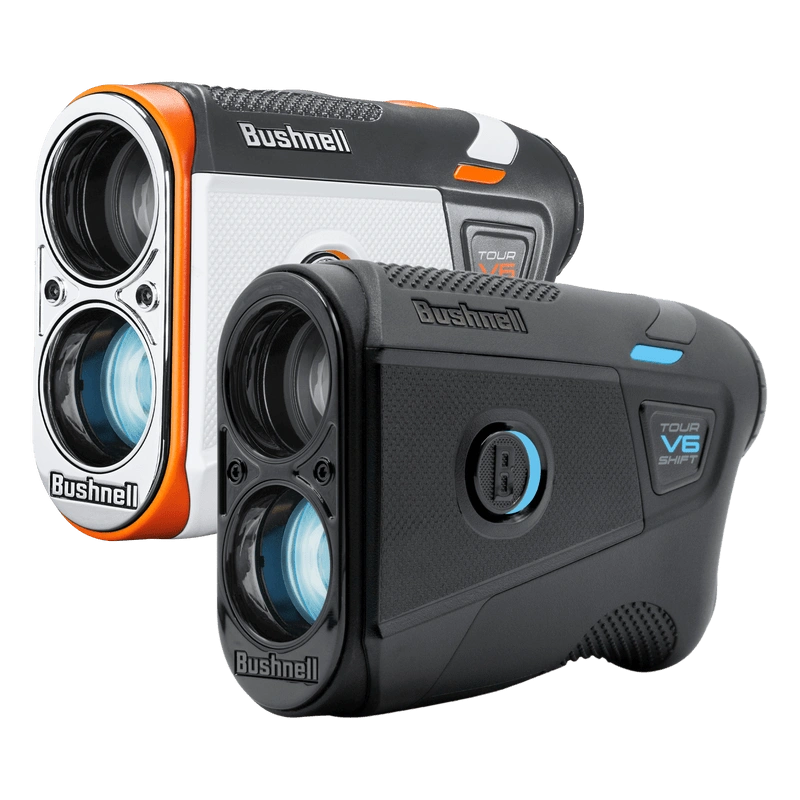
Bushnell Tour V6 Shift
- PinSeeker JOLT locks onto flag in <0.3 seconds
- Slope Switch — legal toggle for tournament play
- ±1 yard accuracy to 1,300 yards
Prices change — click to see current price
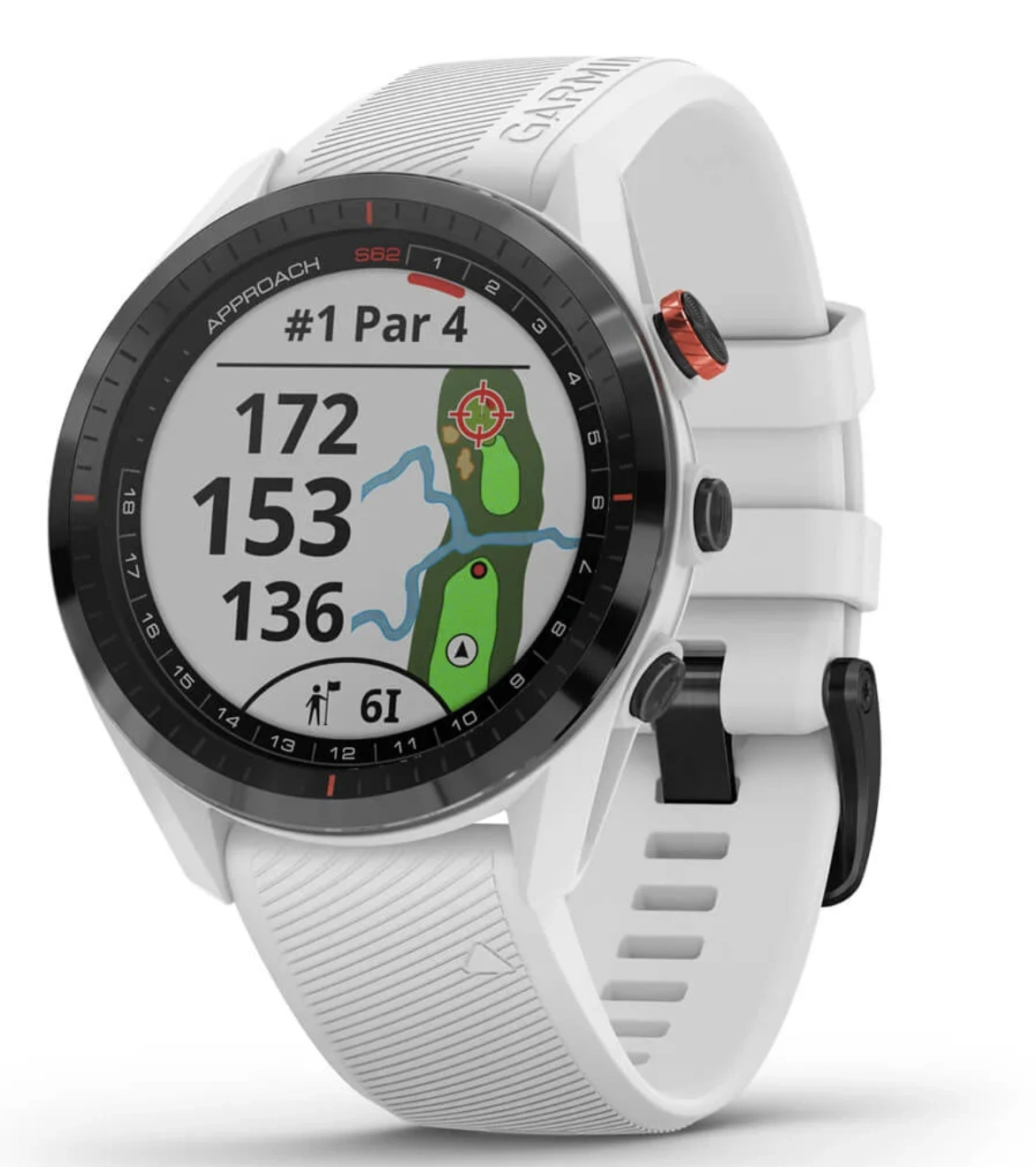
Garmin Approach S62
- 42,000 course database preloaded
- Full-colour touchscreen with green view
- Automatic shot tracking & club suggestions
Prices change — click to see current price
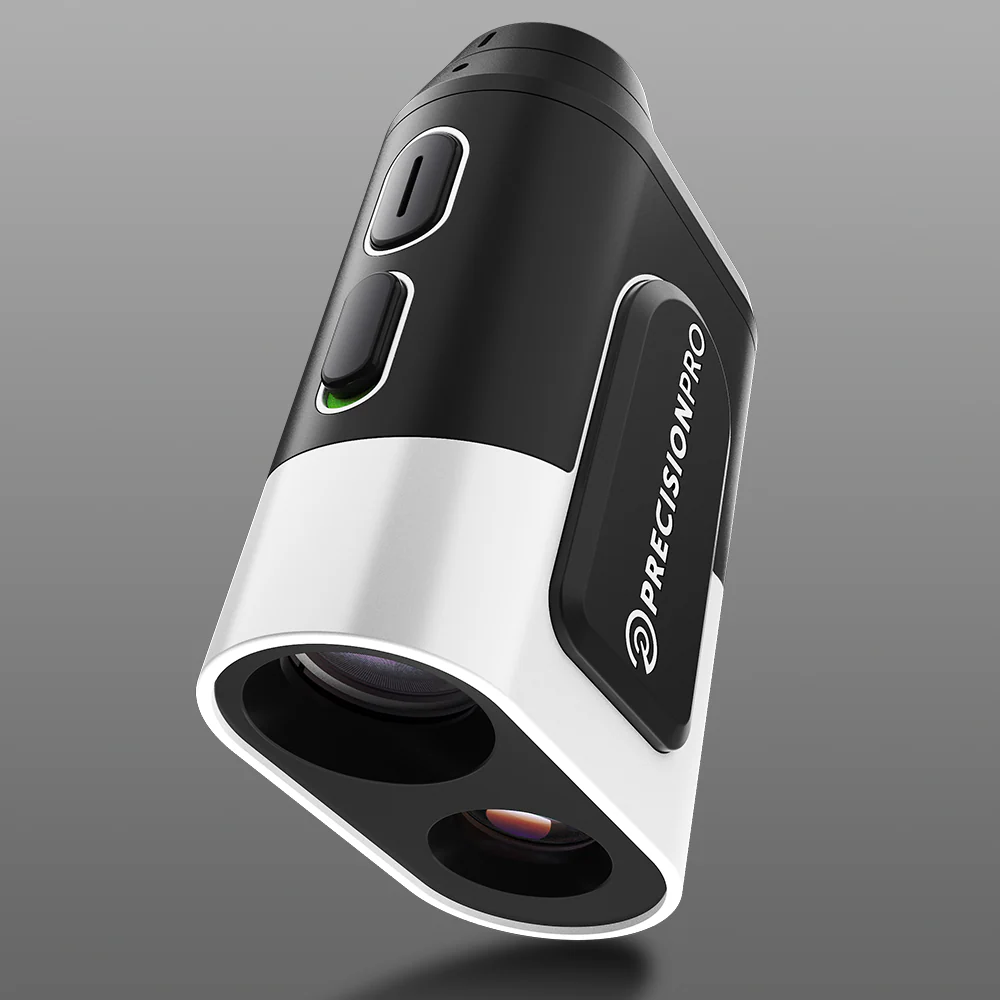
Precision Pro NX9 HD
- Adaptive slope technology adjusts for incline
- 1-year battery life — forget it's in your bag
- Backed by a lifetime warranty
Prices change — click to see current price
| Product | What It Fixes | Price | Best For | Strokes Saved | Buy |
|---|---|---|---|---|---|
| Bushnell Tour V6 Shift BEST PICK | Best Rangefinder | ~$329 | Wrong club selection | 3–5 per round | ~$329 → |
| Garmin Approach S62 | Best GPS Watch | ~$399 | Layup decisions | 2–3 per round | ~$399 → |
| Precision Pro NX9 HD | Budget Rangefinder | ~$169 | Wrong club selection | 2–4 per round | ~$169 → |
| Golf Putting Mirror | Best Putting Aid | ~$25 | Three-putts | 1–2 per round | ~$25 → |
The 3 Stats That Actually Predict Whether You Break 90
Most golfers focus on driving distance. The data says that is the wrong priority. Shot Scope tracking data from thousands of amateur rounds identifies three stats that separate 85-shooters from 95-shooters — and none of them involve hitting it further. Stat 1: Fairways hit. You need to hit at least 40% of fairways to break 90 consistently. If you are hitting under 40%, your driver is costing you more than your short game. Track this for three rounds. Under 40%? Tee off with a 3-wood or hybrid until your number improves. Stat 2: Up-and-down percentage. Getting up-and-down from inside 50 yards 30-35% of the time is the threshold for breaking 90 regularly. Most 95-shooters are at 15-20%. Each percentage point here saves more strokes than 10 extra yards of driver distance. Stat 3: Three-putts. Golfers with a 20-25 handicap three-putt on nearly 20% of holes — roughly 3-4 times per round. Eliminate one three-putt per round and you cut one stroke without touching your swing. Two fewer three-putts and you are suddenly in the 80s territory.
Your Pre-Round Routine (The Part Nobody Writes About)
The warmup is not optional if you want to break 90. Going straight from the car park to the first tee almost guarantees a blow-up on holes 1-3 while your swing finds itself. A 20-handicapper playing cold loses 2-3 strokes in the first four holes that a 30-minute warmup would prevent. The routine that works: spend 10 minutes on the putting green before anything else. Lag putts from 30 feet to dial in pace — this is the stroke you need most during the round. Then 10 minutes on chip shots from 10-30 yards. Then 10 minutes on the range, starting with a wedge and working up to your driver. Hit your last five shots with the club you will use on the first tee. The pre-shot routine on the course matters just as much. Keep it under 20 seconds. Pick your target, commit, go. Longer routines create doubt. The golfer who stands over the ball for 45 seconds thinking about their swing is not breaking 90 that day.
The Gear That Actually Helps
There is a short list of gear that genuinely changes your score — not because it improves your swing, but because it removes the guesswork that causes blow-up holes. Guessing yardage is one of the most expensive habits in amateur golf. Wrong club selection on approach shots causes penalty-zone misses, short-sided chip lies, and three-putts. It is the single most fixable source of lost strokes for a 15-22 handicapper. Knowing you have 157 yards — not roughly 155, not somewhere between 150 and 165 — removes the mental negotiation that costs you a club. Pick the right club. Make the same swing. Two tools fix this. Neither requires changing your swing.
A Rangefinder Removes the Guesswork on Every Approach
TOP PICKThe Bushnell Tour V6 Shift locks onto the pin in under 0.3 seconds with JOLT vibration confirmation — so you know the number is the flag, not a tree behind it. The slope-switch toggle makes it legal for competition, so you use one device all the time. If you play 25+ rounds a year, a rangefinder is the single purchase most likely to drop your handicap. The Precision Pro NX9 HD is the budget version at $169 if $329 is too much to start.
Pros
- Exact pin distance on every shot — eliminates wrong club selection
- Slope switch is tournament-legal — one device, all rounds
- JOLT vibration tells you when you've ranged the flag, not a tree
Cons
- $329 is a real investment — the Precision Pro at $169 is 90% as useful
- Adds 10-15 seconds to your pre-shot routine until it becomes habit
⚖️ Affiliate link — we earn a small commission at no extra cost to you. Prices change frequently — click to see the current price.
A GPS Watch Keeps You Honest on Layup Decisions
BEST WATCHThe Garmin Approach S62 gives you front, middle, and back distances to the green before you pull a club. The green view shows hazard distances so you can plan your layup precisely — not guess. Automatic shot tracking logs your distances across every round so you actually learn what your 8-iron carries, not what you hope it carries. For golfers who play unfamiliar courses or want to track improvement over time, the GPS watch removes two of the three biggest course management errors per round.
Pros
- Front/middle/back distances before every shot — instant course management
- Green view with hazard distances for precise layup planning
- Auto shot tracking — you learn your actual distances, not hoped distances
Cons
- $399 is significant — buy a rangefinder first if choosing between the two
- GPS yardages are to the green, not the pin — less precise than a rangefinder
⚖️ Affiliate link — we earn a small commission at no extra cost to you. Prices change frequently — click to see the current price.
Course Management for Bogey Golfers
Breaking 90 is not about hitting great shots. It is about not hitting catastrophic ones. These five rules apply specifically to golfers shooting 90-105 — not to scratch golfers, not to beginners.
- Aim at the middle of every green — Pins cut into corners are designed to attract aggressive shots and produce doubles. The middle of the green gives you the largest landing zone. A 30-foot birdie putt is still a realistic two-putt — and a much better outcome than a chip from a steep slope.
- Find your one reliable tee club and use it — Not your driver on every hole. Find the club you can hit into a 30-yard corridor 8 times out of 10. For many 18-22 handicappers, that is a 3-wood or hybrid. More fairways with that club beats occasional driver bombs into the rough every time.
- Take water completely off the table — If you are standing over a shot thinking about whether you can carry the hazard, you have already lost. Lay up. The extra wedge shot costs you one stroke. The water ball costs you two. The math is not close.
- Play for bogey from trouble, nothing better — In the rough, in the trees, or in a bunker — your only goal is bogey. Chip out sideways to the fairway. Take an unplayable. A bogey in trouble is a win. Trying the hero shot and making double or triple is how rounds fall apart.
- Lag putt, never hero putt — From outside 25 feet, your target is a 3-foot circle around the hole — not the hole itself. Three-putts are almost always caused by a first putt that travels 8 feet past the hole or finishes 6 feet short. Speed control from distance is the skill.
The Mental Game (The Part Nobody Writes About)
The golfer who breaks 90 for the first time is rarely the one who hit the best shots that day. They are the one who did not compound bad shots into disasters. The 10-second rule: after a bad shot, give yourself 10 seconds to be frustrated. Then let it go completely before you walk to the ball. Carrying anger from hole 6 into hole 7 is how a double becomes a triple becomes a blow-up and a 97. Set your target score before you tee off, then track it hole by hole. If you are 4 over after 9 holes, you need to play the back 9 in 13 over or better. That is a manageable target — three bogeys and a double would do it on any stretch of holes. The only thought you need on every shot is: what is the highest-probability way to make bogey here? Not par. Not birdie. Bogey. Make that your compass and the score looks after itself.
How to Practice When You Have Limited Time
Most golfers who want to break 90 play 20-35 rounds a year and have 30-60 minutes to practice between rounds at most. That is enough — if you spend it correctly. Spend 60% of practice time on shots inside 50 yards: chip shots, pitch shots, and putting. This is where your score is actually determined. Spend 30% on mid-irons (7, 8, 9 iron) — these are your approach clubs on most holes. Spend 10% on driver — the least impactful club for this handicap range to practice on a range. One drill that works: take 10 balls to a practice green and chip all 10 to the same hole from the same spot. Count how many finish within 3 feet. Do this 3 times from different distances. Your goal is 5 out of 10 within 3 feet. When you hit that consistently, you are getting up-and-down often enough to break 90.
Frequently Asked Questions
What score do you need to break 90 in golf?
What handicap do you need to break 90 consistently?
Does a rangefinder help you break 90?
How long does it take to go from 95 to 89?
What is the fastest way to lower your golf score?
Should I use a GPS watch or a rangefinder to break 90?
Related Guides
Get the Free Golf Gear Buying Guide
The cheat sheet every weekend golfer needs before buying anything new. No spam, ever.
Browse All Guides →