
A rangefinder is straightforward to use, but there are a few techniques that separate confident, accurate readings from frustrating near-misses. This guide covers everything from basic operation to advanced tips for reading distances on sloped lies and obscured flags.
Step 1: Power On and Set Distance Units
Hold the power button until the display activates. Navigate to Settings to switch between yards and metres. Most courses use yards in the US — set this once and forget it. The display stays on for 10–15 seconds before auto-shutting off to save battery.
Step 2: Aim at the Flag and Lock On
Hold the rangefinder to your eye with both hands. Point it at the flag and press the measurement button. The unit scans everything in the line of sight — the flag, trees behind it, and the sky. Pin-seeker mode filters out distant backgrounds and locks onto the nearest object (the flag).
Step 3: Confirm Pin Lock
Most rangefinders vibrate once or twice when they lock the pin — this is called JOLT technology on Bushnell, PinSeeker on others. Wait for the vibration. Without it, you may have ranged a tree or the background, not the stick. If it does not vibrate, angle slightly and re-scan.
Step 4: Use Slope Mode Correctly
PRO TIPSlope-adjusted distance accounts for uphill and downhill elevation. A 155-yard flag that plays uphill may give a 163-yard slope reading — meaning you should club up. Use slope on practice rounds to build feel. Toggle slope OFF in competition — it is illegal in stroke play.
Pros
- Helps with club selection on hilly courses
- Builds better feel for elevation over time
Cons
- Illegal for stroke play competitions
- Must remember to toggle off before rounds
Best Rangefinder for Beginners: Bushnell Tour V6 Shift
TOP PICK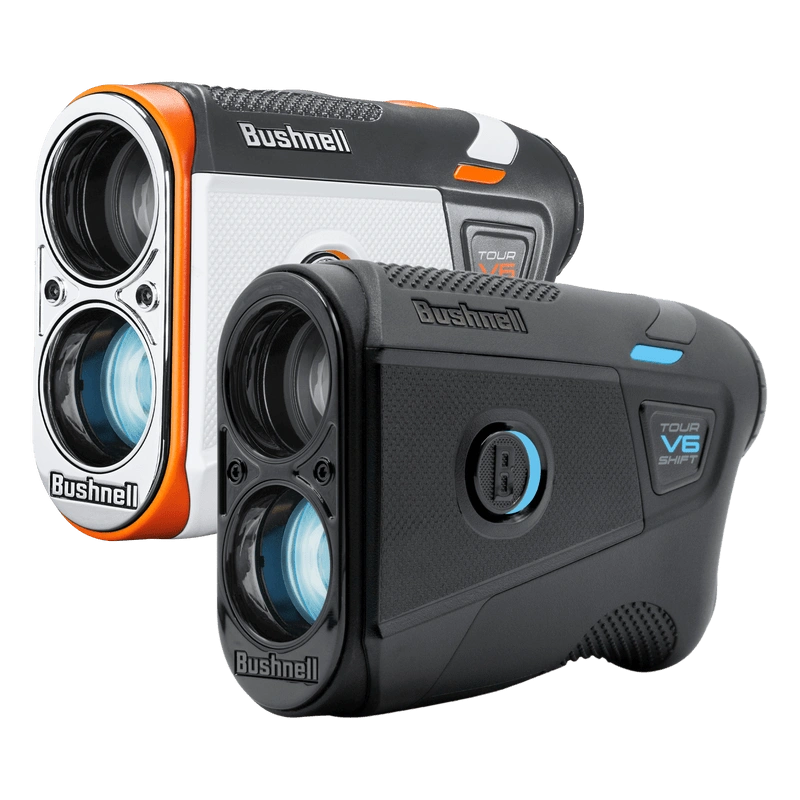
The fastest pin lock of any rangefinder tested, with JOLT vibration that makes confirmation unmistakable. Slope toggle is legal-compliant for competitions. If you are buying your first rangefinder, this is the one.
💰 Price: ~$329
Pros
- Fastest pin lock — vibration is clear
- Legal slope toggle for competition play
- Excellent optics in bright sun
- Industry standard for weekend golfers
Cons
- Premium price vs budget options
⚖️ Affiliate link — we earn a small commission at no extra cost to you. Prices change frequently — click to see the current price.
Budget Pick: Precision Pro NX9 HD
BEST VALUE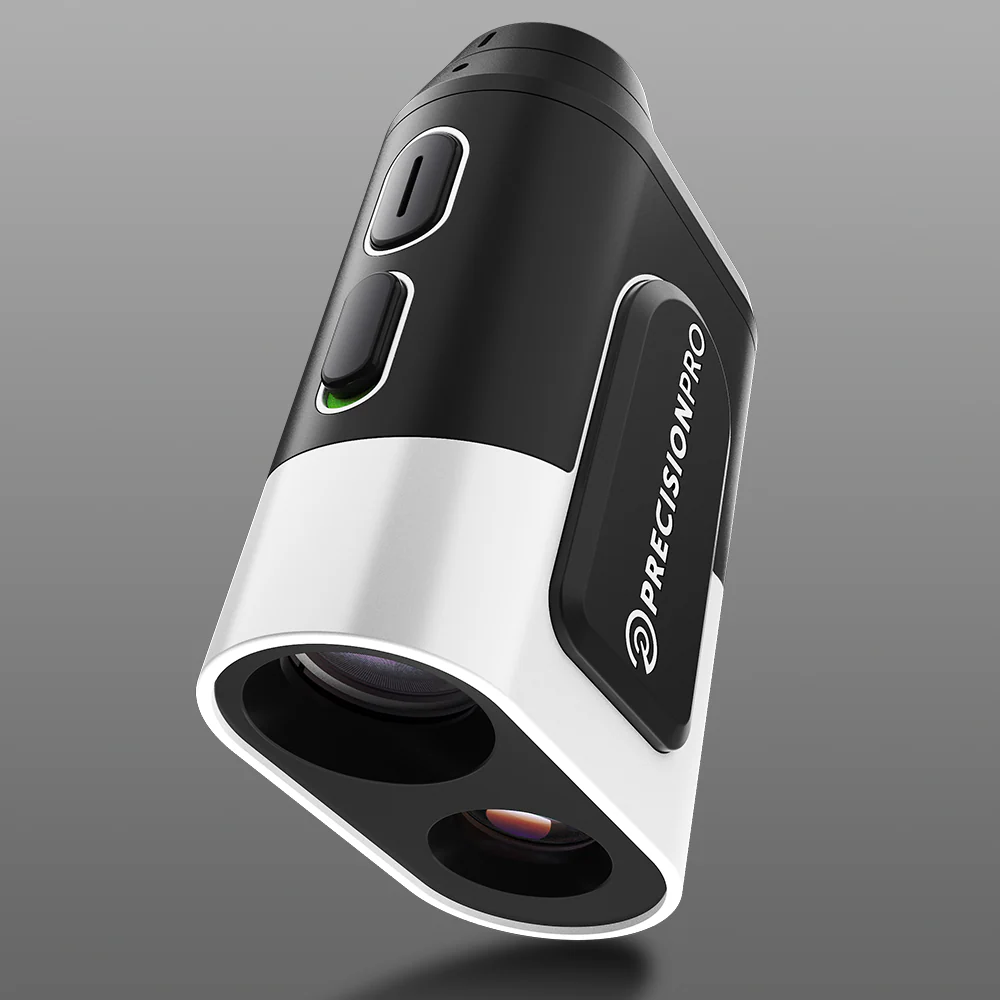
Half the price of the Bushnell with ±1 yard accuracy. Lacks the premium optics and JOLT clarity of the V6 Shift but does the job reliably. Best choice if budget is the primary constraint.
💰 Price: ~$169
Pros
- Half the price of premium models
- Accurate to ±1 yard
- Vibration lock confirmation included
Cons
- Optics not as clear in bright sun
- Vibration less distinct than Bushnell JOLT
⚖️ Affiliate link — we earn a small commission at no extra cost to you. Prices change frequently — click to see the current price.
Frequently Asked Questions
How accurate is a golf rangefinder?
Can I use my rangefinder in wet weather?
How do I know I've locked onto the flag and not the background?
Is a rangefinder or GPS watch better?
Related Guides
Get the Free Golf Gear Buying Guide
The cheat sheet every weekend golfer needs before buying anything new. No spam, ever.
Browse All Guides →