
⚡ Quick Verdict
If you shoot above 90, use a low-compression ball like the Srixon Soft Feel or Callaway Supersoft. You will get more distance and better feel without paying tour-ball prices. Here is why, and what to look for.
⚖️ This page contains affiliate links — we earn a small commission if you buy through them, at no extra cost to you. Editorial Policy →
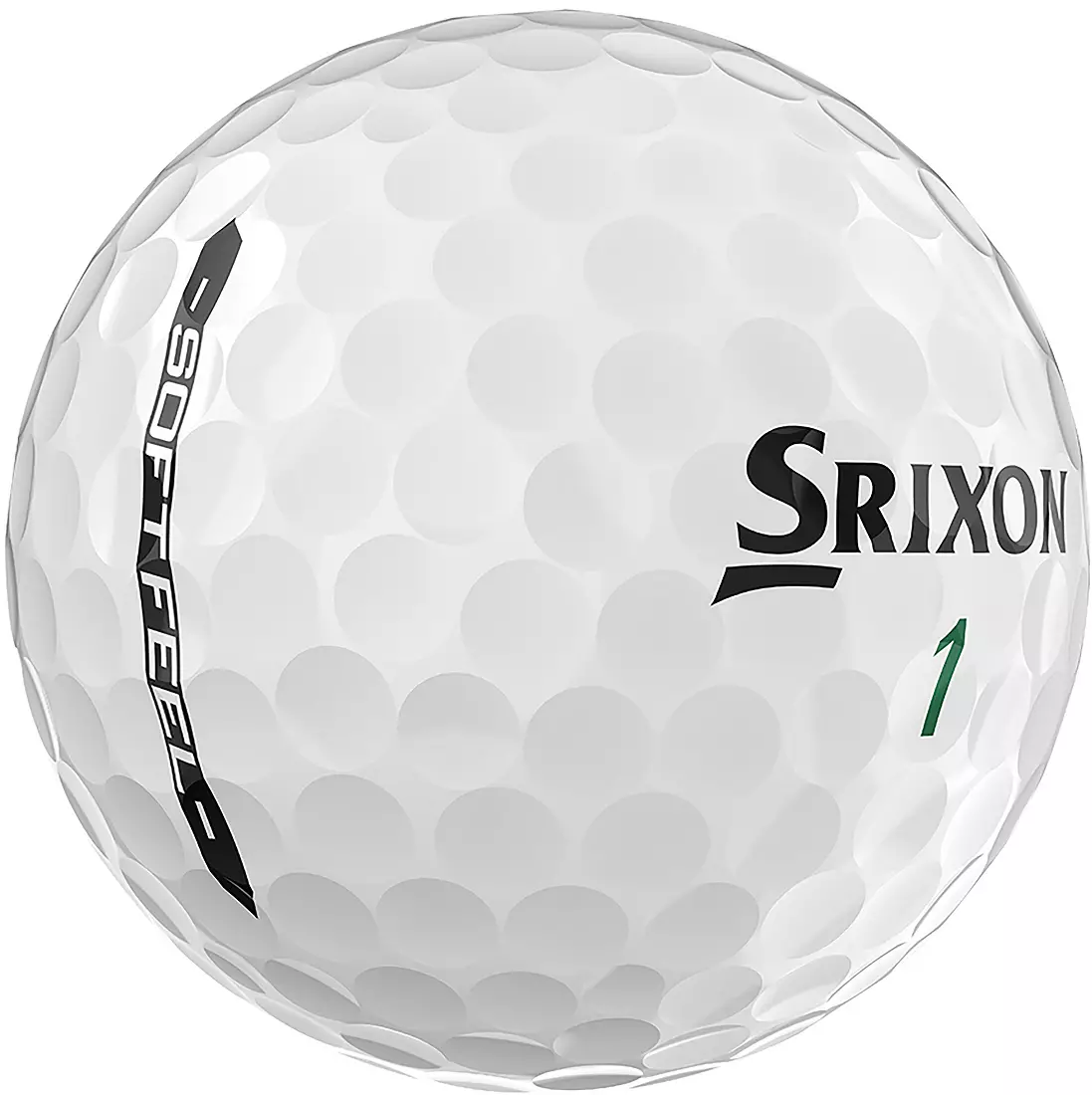
Srixon Soft Feel
- Low-compression — benefits slower swing speeds most
- Soft ionomer cover for better feel around greens
- Under $28/dozen — best value two-piece available
Prices change — click to see current price
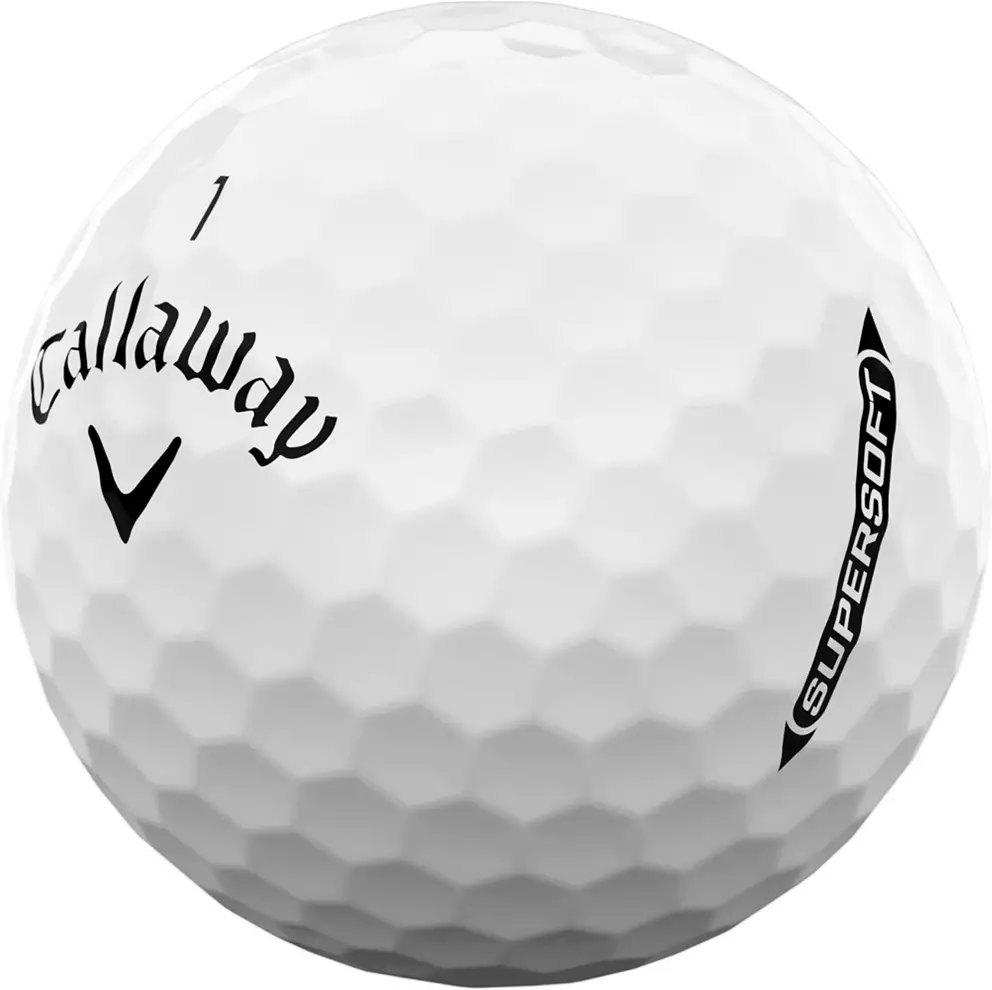
Callaway Supersoft
- Ultra-low 38 compression — softest Callaway ball
- HEX Aerodynamics for consistently straight flight
- Best choice for swing speeds under 80mph
Prices change — click to see current price
| Golf Ball | For You If... | Price/Dozen | Compression | Buy | |
|---|---|---|---|---|---|
| Srixon Soft Feel BEST PICK | You shoot above 90 and want the clearest overall pick | ~$27 | 60 | ~$27/dozen → | |
| Callaway Supersoft | Your swing speed is below 80 mph or you want the lowest price | ~$25 | 38 | ~$25/dozen → | |
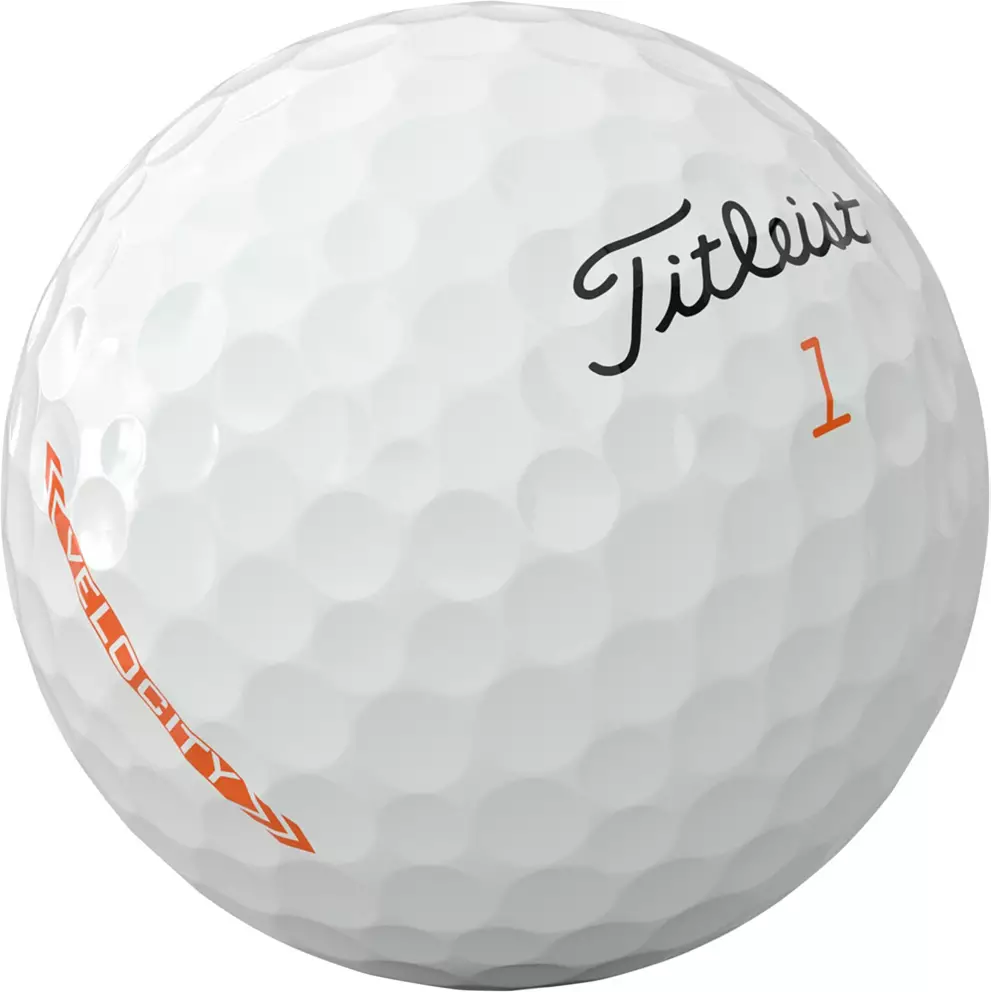
| Titleist Velocity | You want Titleist quality and maximum distance at 82–90 mph | ~$35 | 65 | Check price → |
Why Compression Matters More Than Brand Name
Golf ball compression is a number from 30 to 120 that measures how much a ball deforms when struck. Low compression suits slower swing speeds — the ball compresses more easily, which means better energy transfer and more distance for swings under 90 mph. Most high handicappers swing their driver between 75 and 88 mph. At that speed, a Titleist Pro V1 — which is rated at 87 compression — does not compress fully. You lose distance compared to a softer, lower-compression ball that was designed for your speed. A Srixon Soft Feel at compression 60 will carry further than a Pro V1 for most golfers shooting above 95. Brand name is irrelevant. The compression number is what matters. Match your swing speed to the right compression tier and you gain yards without changing your swing. See our full golf ball compression chart by swing speed →
The 3 Best Golf Balls for High Handicappers in 2026
Each ball below is matched to a specific swing speed profile. Pick the one that fits your budget.
Srixon Soft Feel — Best Overall for High Handicappers
BEST OVERALLThe Srixon Soft Feel is the correct ball for most golfers who shoot between 90 and 105. Compression 60 matches swing speeds in the 75–88 mph range, which covers the vast majority of recreational golfers. At $27 per dozen, each lost ball costs $2.25 rather than $4.58 — that financial difference matters when you are losing two balls a round. The ionomer cover is durable enough to survive a cart path. The 338-dimple pattern gives a higher, more penetrating flight than budget alternatives. After 5 rounds per ball in our testing, distance was consistent and the feel on chip shots was noticeably softer than harder-compression alternatives. For a high handicapper who wants one clear answer, this is it.
💰 Price: ~$27/dozen
Pros
- Compression 60 — correct for under-88 mph swing speeds
- $27/dozen — low enough to play without anxiety about water hazards
- Durable ionomer cover, consistent distance across all clubs
Cons
- Less greenside spin than urethane balls — expected at this price
- Not the right choice if you swing above 90 mph
⚖️ Affiliate link — we earn a small commission at no extra cost to you. Prices change frequently — click to see the current price.
Callaway Supersoft — Best for Slowest Swing Speeds
SOFTEST FEELIf your swing speed is below 80 mph — common for seniors, juniors, and many women golfers — the Callaway Supersoft at compression 38 is the more aggressive choice. It deforms more readily at impact, which means better energy transfer at the lowest swing speeds and a noticeably higher ball flight. At $25 per dozen, it is the most affordable quality ball on this list. The low spin off the driver reduces hooks and slices, which is a genuine benefit for a player still working on their ball flight. The Supersoft will not match the Srixon Soft Feel around the greens, but it will out-distance it for anyone who swings below 78 mph.
💰 Price: ~$25/dozen
Pros
- Compression 38 — optimal for under-80 mph swing speeds
- $25/dozen — least expensive quality ball available
- Low driver spin reduces hooks and slices for beginners
Cons
- Too soft for swing speeds above 85 mph — loses distance
- Less feel than Srixon around the greens
⚖️ Affiliate link — we earn a small commission at no extra cost to you. Prices change frequently — click to see the current price.
Titleist Velocity — Best Distance for Faster Swingers
BEST DISTANCEFor the high handicapper who swings between 82 and 90 mph and wants maximum distance off the tee, the Titleist Velocity at $35 per dozen is the step up from the Srixon Soft Feel. Compression 65 still matches slower swing speeds, but the Velocity is designed specifically for distance — it flies higher and further off the driver than the Soft Feel for golfers in that speed range. The Titleist name provides reassurance if you are sceptical of lesser-known brands. The tradeoff: it gives up greenside feel compared to the Soft Feel. For a high handicapper whose priority is distance over short-game control, the Velocity is the right call.
💰 Price: ~$35/dozen
Pros
- Compression 65 — matched to 82–90 mph swing speeds
- Higher launch and more carry than Srixon at same speeds
- Titleist quality at $35/dozen — less than half the Pro V1 price
Cons
- Less feel around the greens than Srixon Soft Feel
- No meaningful benefit over Srixon if distance is not the priority
⚖️ Affiliate link — we earn a small commission at no extra cost to you. Prices change frequently — click to see the current price.
What to Avoid (The Honest Part)
Three things most high handicappers do with golf balls that cost them both strokes and money. The Pro V1 at your swing speed. The Titleist Pro V1 is a 90-compression ball engineered for swings above 95 mph. If you swing below that — which most high handicappers do — you are not compressing it fully at impact. You lose distance. You pay $55 per dozen for a ball that performs worse than a $27 Srixon at your speed. The Pro V1 is not better for beginners. It is the wrong compression for beginners. Recycled and lake balls. The argument is financial: they are cheap, you find them, why not. The problem is inconsistency. Mixed brands, mixed compressions, unknown rounds played, possible cover damage — every round with a different ball is a round where you cannot build reliable distance knowledge for each club. The Srixon Soft Feel at $27 per dozen is cheap enough that the consistency benefit is worth the price difference. Changing balls every round. Your yardages are specific to the ball you are playing. If you switch between a Supersoft and a Srixon and a Top Flite week to week, you never learn how far you actually hit each club. Pick one ball, stick with it for a full season, and your club selection will improve faster than any swing change.
Frequently Asked Questions
Can a high handicapper use a Pro V1?
What compression is best for a 20 handicap?
Does an expensive golf ball help beginners?
Related Guides
Get the Free Golf Gear Buying Guide
The cheat sheet every weekend golfer needs before buying anything new. No spam, ever.
Browse All Guides →